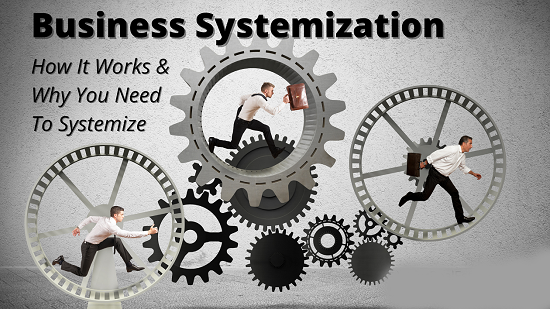
One of the most common weaknesses—and one of the leading causes of failure in software implementation projects that I have witnessed over the years—is the lack of proper business systemization before deploying software solutions.
Many software vendors assume that once a software system is implemented, installed, and employees receive basic training, the implementation process is complete. However, one of the most critical phases of any successful implementation is establishing an effective business system or reengineering existing processes to align with the new software—or, in some cases, adapting the software to fit the organization’s existing operational processes.
An information system is traditionally defined as a combination of software, hardware, people, procedures, and information. Yet many software companies, overwhelmed by technical concerns, reduce information systems to merely software and hardware. At best, they provide a few training videos or user manuals and assume the implementation effort in a large organization has been completed.
In reality, successful software deployment goes far beyond technology.
Before defining business systemization, it is important to first understand what a system is.
A system is a collection of interconnected components working together toward a desired outcome. Every system has one or more inputs and expected outputs. Within an organization, these components are primarily the people who collaborate to achieve business objectives.
Now imagine an organization where a single person handles everything, decisions are driven by emotions rather than structure, responsibilities are unclear, tasks move slowly, work gets duplicated, and accountability is absent. These are all symptoms of a business operating without systems thinking.
Business systemization, as the name suggests, refers to the implementation of systems thinking within an organization, combined with the standardization of procedures and processes.
The role of individuals and their mental model of how the organization operates plays a significant role in successful systemization. A systematic business is one where:
Such organizations are more structured, scalable, and resilient.
Businesses generally operate through three interconnected systems:
Soft systems include all the behavioral and communication-related aspects of an organization—from how phone calls are answered to the way customer complaints are handled.
Hard systems include everything physically visible in an organization, such as branding, logos, uniforms, office layouts, and physical design elements.
Information systems encompass all forms of information used within the organization, including operational, managerial, and decision-support data.
For business systemization to succeed, all these systems must work together in alignment with organizational strategy.
In fact, learning how to systemize a business requires understanding how these interconnected systems operate and support one another.
Creating Standard Operating Procedures (SOPs) requires documenting every step and operational detail of organizational activities, which can be time-consuming.
For this reason, systemization is difficult to implement effectively outside the operational environment of the organization itself. However, once processes become standardized, tasks are completed more easily, faster, and with significantly greater efficiency.
Over the long term, standardized systems create substantial benefits for organizations.
Business systemization not only simplifies operations but also improves execution accuracy, enhances monitoring and control, and reduces ambiguity and operational errors—because processes are documented, standardized, and consistently followed.
A well-systemized business creates measurable improvements across operations, workforce productivity, and organizational performance. Some of the most important benefits include:
In short, systemization transforms business operations from reactive and chaotic into structured, scalable, and predictable.
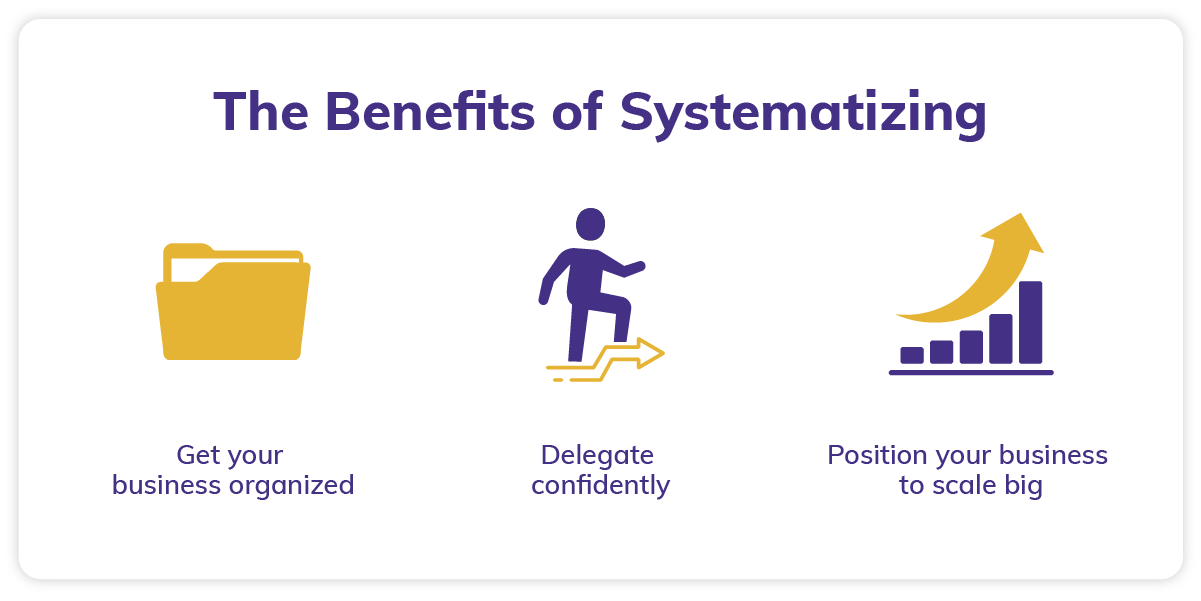
One of the primary reasons many managers struggle to delegate responsibilities is perfectionism or a fear of losing control.
Ironically, this mindset becomes one of the greatest obstacles to business systemization.
I once worked in a software company where the CEO personally handled everything—from conducting client meetings to running database queries and troubleshooting software issues. Other team members were often limited to handling minor peripheral tasks.
This fear of delegation was one of the biggest barriers preventing the organization from developing sustainable systems.
Organizations and managers often resist systemization for several reasons:
Without addressing these cultural and managerial barriers, even the best software systems may fail to deliver meaningful organizational improvement.
Business systemization is not a one-time activity—it is a structured and ongoing process.
The major stages typically include:
Before building systems, organizations must clearly understand what outcomes they are trying to achieve.
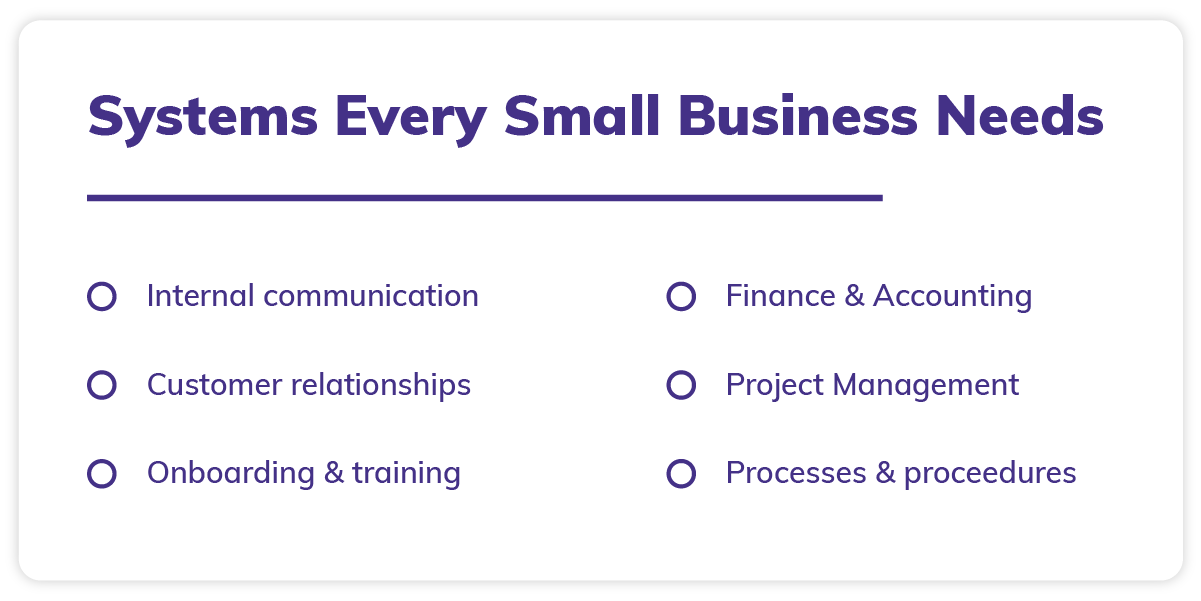
Every organization consists of interconnected subsystems such as:
Each subsystem requires clearly defined boundaries and workflows.
Organizations must establish clear Standard Operating Procedures (SOPs) and define how each process should function.
Existing workflows should be analyzed, documented, and standardized to ensure consistency and repeatability.
Systemization is not purely technical—it also requires cultural transformation. Employees and managers must embrace systems thinking and process discipline.
Successful organizations shift attention from individual activities to measurable outcomes and organizational goals.
No business system is perfect from the beginning. Continuous assessment, optimization, and refinement are essential to long-term success.
Now that we understand the importance of business systemization, let us return to the original topic: software system implementation.
From my personal experience, implementing software in organizations that have never used structured systems is often much easier than implementing new systems in organizations that have been using legacy software for many years.
I remember working at a software company that was responsible for customizing an ERP system for deployment within a major governmental institution. The organization had been using a Windows-based ERP system developed in Delphi for more than fifteen years.
Most employees and managers were over fifty years old and had become deeply accustomed to the old system.
Several major issues contributed to the failure of the implementation project:
Organizations that have worked with a software platform for years gradually adapt their internal processes, language, and habits around that system.
As a result, replacing legacy software becomes far more challenging than implementing software in organizations with no prior digital infrastructure—especially when employees, particularly long-term staff, are resistant to change.
Successful software implementation, therefore, is not simply about deploying technology. It is about aligning people, processes, culture, and systems in a way that enables sustainable organizational transformation.